
Introduction
Finding your way around a large building, commercial property, hospital, educational institution, or public space should be simple and stress-free. This is where professional wayfinding design plays an important role. If you are searching for an SPM Design LA wayfinding designer, understanding the value of professional wayfinding solutions can help you create an environment that is both visually appealing and easy to navigate.
Wayfinding design is more than placing signs throughout a building. It involves creating a complete navigation system that helps people understand their surroundings, identify important destinations, and reach their locations without confusion. With thoughtful planning, creative design, and strategic signage placement, a professional wayfinding designer can improve the overall experience of visitors, customers, employees, and residents.
What Is Wayfinding Design?
Wayfinding design is the process of developing visual communication systems that help people navigate physical environments. These systems include directional signs, identification signs, informational displays, maps, directories, and other visual elements.
A professional wayfinding designer considers how people interact with a particular space and develops solutions that make navigation easier. For example, in a shopping mall, visitors need clear directions to stores, restrooms, parking areas, elevators, and exits. In a hospital, patients and visitors need straightforward directions to departments, reception areas, and medical facilities.
The primary goal is to make every journey easier by providing clear and consistent information at the right locations.
Why Choose an SPM Design LA Wayfinding Designer?
Choosing an experienced SPM Design LA wayfinding designer can help businesses and property owners develop effective navigation systems that support their brand identity and improve user experiences.
A professional designer understands that every property has different requirements. A corporate office may need a sophisticated signage system, while a healthcare facility requires highly visible and easy-to-understand directional signs.
Here are some important reasons to invest in professional wayfinding design:
- Better Navigation: Clear signs help visitors find destinations without unnecessary delays.
- Improved Visitor Experience: An organized environment makes people feel comfortable and confident.
- Professional Appearance: Attractive signage creates a positive first impression.
- Strong Brand Identity: Consistent colors, typography, and graphic elements reinforce brand recognition.
- Reduced Confusion: Strategic signage placement minimizes uncertainty and helps people move efficiently.
Important Elements of an Effective Wayfinding System
A successful wayfinding system combines several design elements to create a seamless navigation experience.
1. Directional Signage
Directional signs guide people toward specific destinations. They commonly include arrows, destination names, floor numbers, and other navigation information.
These signs should be positioned at important decision points, such as entrances, hallways, intersections, staircases, and elevators.
2. Identification Signage
Identification signs help people recognize specific locations. Examples include office numbers, room names, department signs, building entrances, and restroom signs.
Consistent identification signage makes an environment easier to understand.
3. Informational Signage
Informational signs provide useful details about a location. They may include operating hours, building directories, facility information, safety instructions, and visitor guidelines.
4. Maps and Directories
Maps and directories provide an overview of a property and help visitors understand its layout. They are particularly useful in hospitals, universities, shopping centers, hotels, and large office buildings.
5. Brand Integration
Wayfinding signage should complement the overall visual identity of a business or property. Using consistent brand colors, fonts, logos, and design elements creates a professional and recognizable appearance.
The Role of Wayfinding Design in Different Industries
Professional wayfinding design can benefit almost every industry that welcomes visitors or operates within a complex physical environment.
Healthcare Facilities
Hospitals and medical centers require clear navigation systems because patients and visitors may already feel stressed. Easy-to-read directional signs help people locate emergency departments, waiting rooms, laboratories, pharmacies, and consultation areas.
Commercial Buildings
Office buildings often contain multiple businesses, departments, meeting rooms, and shared facilities. A well-planned wayfinding system helps employees, clients, and guests navigate these spaces efficiently.
Educational Institutions
Schools, colleges, and universities use wayfinding signs to guide students, parents, faculty members, and visitors toward classrooms, libraries, laboratories, administrative offices, and sports facilities.
Retail and Shopping Centers
Shopping centers need attractive and functional navigation systems to help customers locate stores, food courts, restrooms, parking areas, and entertainment facilities. Good signage can make shopping more enjoyable and convenient.
Hotels and Hospitality
Hotels benefit from clear signage that guides guests toward reception areas, guest rooms, restaurants, conference spaces, elevators, and other amenities.
How Professional Wayfinding Designers Create Effective Solutions
Developing an effective wayfinding system requires careful research, planning, and creativity. A professional designer generally follows several important steps.
Step 1: Understanding the Environment
The process begins with evaluating the property, its layout, entrances, pathways, facilities, and visitor requirements.
Step 2: Identifying User Needs
Designers consider who will use the space and what information they need to navigate it successfully.
Step 3: Developing a Signage Strategy
A complete signage plan identifies the types of signs required, their locations, messaging, and visual hierarchy.
Step 4: Creating the Visual Design
Designers develop layouts using appropriate typography, colors, symbols, graphics, and branding elements.
Step 5: Installation and Evaluation
After production and installation, the signage system should be reviewed to ensure that signs are visible, understandable, and positioned correctly.
Accessibility and Modern Wayfinding Trends
Accessibility is an essential part of modern wayfinding design. Signs should be easy to read and understand for people with different abilities and navigation needs.
Features such as high-contrast colors, readable typography, tactile lettering, Braille, clear symbols, and accessible sign placement can make environments more inclusive.
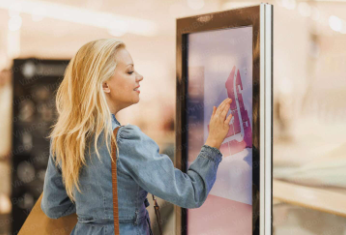
Modern wayfinding systems are also incorporating digital directories, interactive maps, QR codes, and digital displays. These technologies provide visitors with additional information and more flexible navigation options.
Combining traditional signage with digital solutions can create a convenient and adaptable wayfinding experience.
How to Choose the Right Wayfinding Designer in LA
When looking for an SPM Design LA wayfinding designer, consider experience, creativity, technical knowledge, and the ability to understand your project’s specific requirements.
Look for a designer who understands environmental graphics, signage systems, brand integration, accessibility standards, and visitor behavior.
Reviewing previous projects and design portfolios can also help you evaluate the quality and consistency of their work. Most importantly, choose a professional who focuses on creating practical solutions rather than simply producing attractive signs.
Conclusion
A well-designed wayfinding system makes every environment easier to navigate, more welcoming, and more professional. From hospitals and commercial buildings to shopping centers and educational institutions, effective signage helps people reach their destinations with confidence.
Working with an experienced SPM Design LA wayfinding designer can help transform complex spaces into organized, user-friendly environments. By combining strategic planning, creative visual communication, accessibility, and modern design techniques, businesses and property owners can create navigation experiences that benefit everyone.
